
Loading...
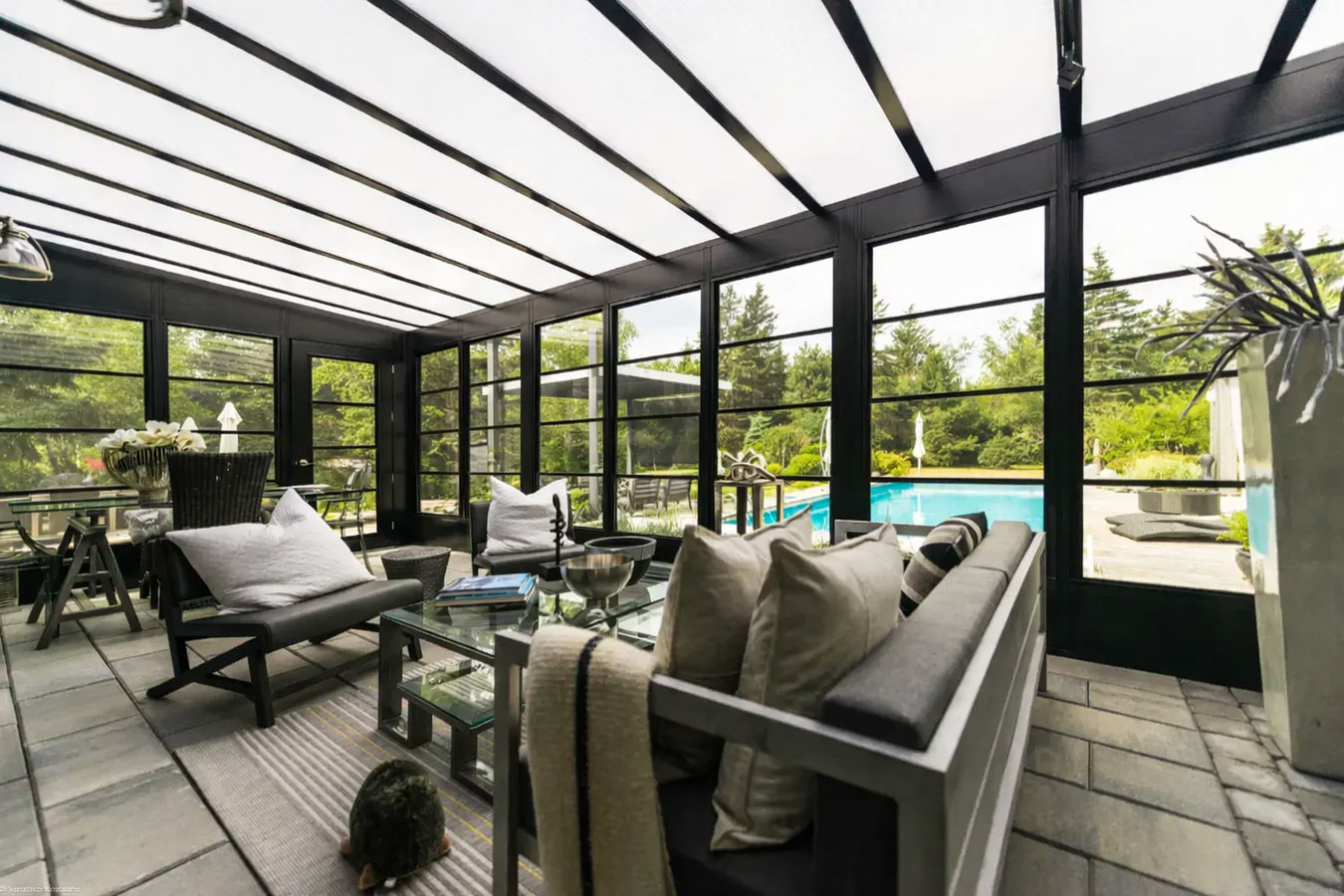
Vinyl frames do not rust, rot, or need painting - which matters in Palm Coast's humid, salt-air climate. We install vinyl sunrooms built to Florida's wind standards with permits and HOA approval handled for you.
A vinyl sunroom in Palm Coast is a fully enclosed room addition with vinyl-framed walls and a roof system designed for year-round use - installation typically takes one to two weeks of construction once Flagler County permits are approved, with the total timeline running six to ten weeks from signed contract to move-in.
Vinyl is a practical choice for Palm Coast's climate. Unlike aluminum or wood frames, vinyl does not rust, rot, or require painting - and in a coastal environment with high humidity and salt air, that low-maintenance quality adds up over the life of the room. The difference between a vinyl sunroom you can use in July and one you avoid all summer comes down to insulation and cooling. Insulated panels and heat-blocking glass are not optional upgrades here - they are what make the room functional. Homeowners who want to understand the design decisions that drive these choices will find more detail on our sunroom additions page, or can compare the enclosed approach to a three-season sunroom if budget is the primary concern.
The sections below cover what signals suggest your current outdoor space is not working, what the installation process looks like, and what separates a well-built vinyl sunroom from a basic patio enclosure kit.
If your back porch sits empty from May through September because it is too hot and humid, that is a clear sign you would benefit from an enclosed, climate-controlled sunroom. Palm Coast's long, intense summers mean an open or screened space is comfortable for only a fraction of the year - a vinyl sunroom with proper cooling changes that completely.
If you notice water coming in around the edges of your patio roof during heavy rain, or if the structure shakes noticeably in a strong storm, it is not built to the standard that Palm Coast's weather demands. A properly engineered vinyl sunroom is sealed and anchored to handle Florida's wind and rain - not just keep out the occasional drizzle.
If your family has outgrown your indoor square footage but a full room addition feels like too big a project, a vinyl sunroom is a practical middle-ground option. Many Palm Coast homeowners use the space as a home office, a reading room, or a casual dining area that flows naturally from the kitchen or living room.
Flagler County is home to mosquitoes, no-see-ums, and other biting insects that make outdoor evenings uncomfortable for much of the year. If you find yourself retreating indoors as soon as the sun goes down, an enclosed sunroom gives you the feeling of being outside - natural light, garden views - without the bugs.
We install vinyl sunrooms in configurations designed for Palm Coast's climate and Flagler County's permitting requirements. Every project starts with a site visit - we measure your existing patio or deck, check how the new room will attach to your home's exterior wall, and assess the ground conditions under your slab. In Palm Coast's sandy coastal soil, foundation preparation matters more than in most other markets: a properly prepared base prevents the room from settling or shifting over time. Homeowners who want a fully tailored room can look at our sunroom additions page for a broader look at the addition process, or explore three-season sunrooms if a lower-cost, mild-weather option fits the budget better.
The flashing and sealing where the sunroom meets your home is the detail that separates a room that lasts from one that causes problems. Water that works its way behind the ledger connection can damage your wall cavity over time - showing up as rot or mold years after the contractor has moved on. We seal every joint and penetration before panels go on, and we use materials approved for Flagler County's coastal wind zone so the room passes inspection the first time.
Fully insulated walls, heat-blocking glass, and a plan for climate control - the right choice for Palm Coast homeowners who want to use the space from January through December.
A lower-cost option with vinyl frames and windows but without full HVAC integration - comfortable in mild weather and a good entry point for homeowners on a tighter budget.
Adds a retractable or fixed screen panel system to a vinyl-framed enclosure - lets in breeze when the weather is cooperative while keeping insects out year-round.
Removes an aging or failing enclosure and replaces it with a new vinyl-framed room built to current Florida wind standards - permits and inspections included.
Palm Coast sits in Flagler County, which falls within Florida's coastal wind requirements for permanent structure additions. The glass, roof panels, and frame connections in your vinyl sunroom must meet stricter wind-load standards than you would find in most other states - and that affects both the materials used and the cost of the project. The Sunroom, Solarium and Enclosure Alliance maintains standards for sunroom construction that responsible contractors follow, and Flagler County inspectors verify that finished work meets both state and county requirements. Homeowners throughout Palm Coast and nearby Ormond Beach face the same requirements, and a contractor who does not know the local process will cause delays that a locally experienced crew avoids.
Palm Coast averages over 230 sunny days per year and summer humidity regularly pushes into the 80 to 90 percent range. A vinyl sunroom designed without proper insulation and cooling will be unusable for most of the year - which means the upfront savings from skipping insulated panels will cost you more in lost use. The area also has a large number of planned communities with active HOA requirements. Many associations require written approval before exterior additions can be permitted. A contractor who does not check your HOA status at the first meeting is one who may leave you with a compliance problem after the room is already built.
We ask a few basic questions - the size of your existing patio or deck, whether you have an HOA, and what you want to use the room for. We then schedule a time to come out and measure the space in person. No accurate quote can be given without seeing the actual site. We reply within one business day and the site visit comes with no obligation.
After the visit, we put together a written proposal that outlines the size, roof style, glass type, and any climate control options. You should receive this in writing so you can compare it clearly against other quotes. This is also the time to ask about the permit process and how long Flagler County's review typically takes for your type of project.
Once you accept a proposal, we submit the permit application to Flagler County Building Services along with engineered drawings. If your neighborhood has an HOA, that approval runs at the same time. Permit review typically takes a few weeks - we handle all of it and keep you updated so you are never left wondering where things stand.
With permits in hand, we prepare the foundation, assemble the vinyl frame, install the panels and glass, and seal everything to your home. A Flagler County inspector visits after completion to verify the work meets the approved plans. After the inspection passes, we walk you through the finished space and hand you a copy of the closed permit to keep with your home records.
We come out, measure your space, and give you a written quote with no obligation - so you can compare it clearly against other bids before you commit to anything.
(386) 529-0493Every vinyl sunroom we install uses glass, roof panels, and frame connections rated for Flagler County's wind-load requirements. We confirm product approvals before ordering materials - so the room is built to survive a serious storm, not just pass inspection on a calm day.
We ask about your HOA at the very first meeting and work the approval timeline into your project schedule. Palm Coast has a large number of planned communities where exterior additions require written HOA approval before the county will even accept a permit application. We manage that submission so it does not slow down your project.
An unpermitted addition in Flagler County can create real problems when you sell your home or file an insurance claim. We do not consider the project complete until the county inspector has signed off and you have a copy of the closed permit in hand - protecting your investment for as long as you own the home.
We provide a written proposal that spells out exactly what is included, what is not, and what would trigger a change order - before you commit to anything. The number you see at the start of the project is the number you pay at the end. No surprise invoices after the room is already framed.
Palm Coast homeowners have specific concerns - HOA rules, sandy soil, coastal wind requirements, and summers that make a room unusable if the cooling plan is wrong. We built our process around those specifics because this is the market where we work every day.
See how a full sunroom addition compares to a vinyl enclosure - covering the permitting, construction, and planning process from start to finish.
Learn MoreA lower-cost alternative for homeowners who want an enclosed space for mild-weather months without the expense of full climate control.
Learn MorePermit slots at Flagler County fill up during busy seasons - call us now or request a free estimate online to get your project on the schedule before the wait grows.